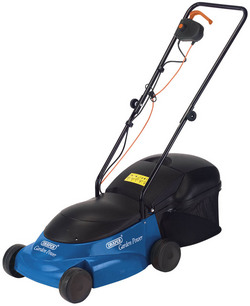
Herb lawns and ground-cover plants are easier to maintain than a grass lawn because they do not require regular mowing. They are often more successful than traditional lawns in difficult situations, such as dry sunny sites, on steep banks or in shade under trees. But non-grass lawns are not a perfect substitute for grass, as they won't stand much wear. If you need to walk through a non-grass lawn regularly, cut a path or put in a series of stepping stones.

Ground-cover plants
A quick-care alternative to grass on a steep bank, which can be difficult to cut, are ground-cover plants such as snow-in-summer. Or use knee-high plants that if planted tightly will also suppress weeds. For even more effective weed control, especially if the ground harbors perennial weeds, cover the bank with mulch matting before planting, then plant thickly with evergreens to hide the mulch and smother weeds.
Steep banks dry out quickly, so choose drought-tolerant plants that save you watering often in summer, such as hebe, erigeron or cistus in sun, and mondo grass or euonymus in shade. For a sunny bank in a cooler climate, with acid, slightly moist but well-drained soil, a dense carpet of mixed ericas, some with colored foliage, will look good all year. It will also cope well with an exposed location.
Plants used as ground cover generally require little routine maintenance. They can be tidied up in spring if damaged by winter frosts and given a feed once a year with complete plant food. For bushy evergreens, a light shearing all over, right after blooming, helps keeps them neat and compact. If you are using climbers as ground covers, just trim away any wayward shoots or those that are starting to clamber into other plants.
Herb lawns
A well-drained, sunny site is vital for a successful herb lawn. To suppress weeds, spread mulch matting over the prepared soil and plant through it. Hide the matting with a 5 cm layer of gravel. Plant with a mixture of creeping thymes or the non-flowering chamomile, Chamaemelum nobile 'Treneague', spaced 25cm apart. Little maintenance is necessary. Trim thyme lawns lightly after flowering to tidy up deadheads. Or, clip the chamomile in summer to keep compact, but no shorter than 10cm. Feed with a general fertilizer in spring. Once a herb lawn is established, it has become adapted to its position and there is no need to water it.
Alpine lawn
In cooler climates, where summers are mild, a decorative alpine lawn is ideal for a low-maintenance front garden. A mixture of low, creeping or spreading rock plants, such as New Zealand burr (Acaena), thrift (Armeria maritima), rockery pinks (Dianthus), Sedum spathulifolium and sempervivum, require little weeding if the beds are mulched with 5cm of stone chippings. An alpine lawn grows best when naturally drought-tolerant species can be planted in a fairly sunny spot with very good drainage. To keep the lawn looking good, top up the chippings in spring and remove any weeds.
Bulb carpets
In deciduous woodland or under deciduous trees, a carpet of bluebells or daffodils requires virtually no maintenance, but it does demand a cool to cold winter. The bulb foliage smothers early weeds, and shade combined with dry soil in summer makes it impossible for most weeds to survive. To encourage flowering year after year, feed the bulbs with a general fertilizer or bulb food after they have flowered but before the foliage dies down. Remove any problem weeds, such as blackberries, by cutting them back and spot-treating regrowth with a glyphosate-based weedkiller. Do not remove fallen leaves during the autumn because they build up to form a weed-suppressing mulch and gradually release nutrients that improve the soil.