Showing posts with label Lawn Care. Show all posts

Sunday, December 2, 2007

The right equipment for you lawn maintenance

Investing in the right equipment is the easiest way for the busy gardener to reduce the time spent on lawn care. Mowing is the most time-consuming task, so make sure you choose a mower that suits the type and size of your lawn.


Ride-on
The time-saver's choice for a very large garden. Ride-on mowers have an extra-wide cutting width and move faster than you can walk with a powered mower. They are not suitable for fine lawns.

Hover
A good solution for small or fiddly lawns and banks. The mower can be moved sideways as well as back and forth and the blades glide over the lawn edges, speeding up mowing around beds and borders.

Rotary
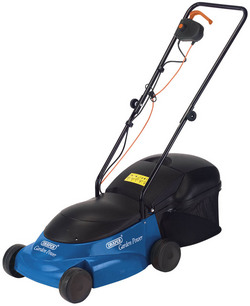
A large area of unobstructed grass suits the rotary mower best. Rotary mowers are ideal for longer grass, but their wheels make it difficult to get right up to lawn edges. Petrol models are the most powerful.

Cylinder
Necessary only if you want a top-quality lawn. It is the only mower to make well-defined stripes in grass. It needs a level surface and dry grass. Small electric and large petrol versions are sold.

Hand-pushed mower
Light and maneuverable, so worth considering for a small lawn that is mowed regularly. It will not tackle long or wet grass and the wheels make it difficult to mow right up to the edges.

Fertilizer spreader
Ideal for scattering fertilizer evenly over a lawn, but do check that it is adjusted for the rate of application you want. Some spreaders can be adjusted to spread lawn seed.

Spiker
A spiker aerates and improves surface drainage of a compacted lawn by removing cores of soil from the turf. This is time-consuming, so for large areas hire or buy a powered version.

Lawn de-thatcher
These professional machines are only just becoming available at equipment hire companies. They scarify or remove spongy thatch from lawns. A lawn-care contractor can also do the job for you.


Edging made easy

Neat lawn edges improve the look of your lawn; and if you use a half-moon edging tool to create sharp edges they will be easy to trim.

Powered edger
A powered edger is the most efficient way of keeping edges neat. But you need a firm, horizontal surface at the edge of your lawn over which to guide the trimmer.

Line trimmer
This can save you hours of tidying tufts of grass growing against walls or around patios. Do not use around trees or shrubs because it can damage trunks and stems. Choose a model with an automatic line feed so you don't have to keep stopping to adjust the length of the nylon line.

Time-saving tools for your lawn

You can save time on regular jobs, such as lawn edging, by investing in the right equipment, jobs such as spiking the lawn, which require special equipment, can be made easier by hiring the equipment or employing a contractor to do them.

Cutting the grass
If you have a small lawn and want a fine finish, and don't mind a little gentle exercise, then consider a hand-pushed mower. Electric machines are an easier option, but their range is limited by the length of cable. Battery-powered mowers are suitable for small and medium-sized lawns, but will need recharging for a large lawn. Petrol-driven machines are more powerful, but expensive. They are the time-saver's choice for longer grass and for medium to large lawns. If you allow the grass to grow by more than 2cm between mowings, a mulch mower will save time. It has no grass catcher to empty, and chops the grass finely so it can be left on the lawn.

De-thatching
Thatch is a layer of dead grass that builds up beneath the surface, making lawns spongy and hard to mow. De-thatching machines can be hired, or you can use a rotary mower at its lowest setting. This severely scalps the lawn and so should be done in spring when regrowth is fast. Scalping only works on grasses that grow from runners, and is hard on the mower, so you may prefer to hire one.

Clearing leaves
Fallen leaves that are left on the ground smother the grass and turn the lawn yellow. In small gardens, a garden vacuum is handy for leaf collection. To clear up leaves on a larger lawn, use a rotary mower with the blades set high. The blades will cut the leaves into small pieces so they can be sucked back into the grass catcher, making a mulch that you can later use on the garden.

Spreading fertilizer
Save time feeding large lawns by buying or hiring a lawn fertilizer spreader. For fast, easy application to a small area, choose a fertilizer that comes in a shaker pack. For an even spread, mark the lawn into strips with canes or string and work out how much fertilizer to use in each strip.

Improving drainage
Aerating the soil will boost growing conditions by allowing air, food and water to get in and make surface drainage swifter. This is especially important for soil compacted at the surface of a lawn that gets heavy wear. For quick results, hire a powered spiker or coring machine to make the holes. If you are doing the job by hand, use a spiker that you push or a hollow-tined fork. Small areas can be aerated by pushing a garden fork about 8cm into the turf, spacing holes 5cm apart, but this takes a lot of time and hard work. Rake away the cores of soil that you have removed and, if you are aiming to improve the drainage or condition of the soil, you can pour river sand, gypsum, lime or lawn food into the holes.

Tuesday, November 27, 2007

Simple steps for a simple-maintenance lawn

No matter how weed-infested or bald an existing lawn has become, it will take less effort to improve it than to create a new lawn altogether. However, if you prefer quick results, or if you have no lawn to begin with, you will have to start from scratch.

Laying cultivated turf is the quickest way to create a lawn, but it is relatively expensive. Turf will thrive anywhere except in heavy shade or on poor soil. Turf is grown in huge paddocks and can contain weeds, although the better producers will make every effort to prevent this. The price of turf varies with the type of grass wanted and it should be laid in spring or autumn when the soil is warm and moist.

The cheapest way to create a new lawn is to sow seed. But you will have to wait several months after sowing before you can use it. Sow cool-season grasses in early autumn, warm-season grasses in spring -both will be established and ready to use by summer. Choose the right seed for your situation and buy from a reputable supplier. If you can, ask some local gardeners for advice about which grasses are ideally suited to your area.


Holiday tips
  • Do cut the grass shortly before you leave home.
  • Do arrange for your grass to be cut while you are away, especially if you are gone for more than two weeks.
  • Do 'top' long grass on your return with a line trimmer or rotary mower. If you cut long grass down to its lowest level in one go, it turns yellow, so make sure that you set the blades as high as possible for the first cut, then mow again a few days later. Don't apply fertilizer for six weeks before you go on holiday.
  • Don't water the lawn in summer because it will suffer even more if the weather is dry when you are away.

Sunday, November 25, 2007

Design tips for easy-care lawn

A grass lawn takes effort to establish, but keeping it in top condition is where the real work lies. If you want a lawn, but don’t have time for a lot of fiddly maintenance in spring and summer, following these simple steps will reduce the workload of lawn care.

Two or more small lawns take a lot more maintenance than a single larger lawn. Not only do you have more edges to trim, but corners on smaller lawns will be tighter, which makes for awkward maneuvering with the lawnmower. If you have a large lawn in the back yard and a small one in the front, you could ease the burden by replacing the front lawn with a surface such as gravel or paving.

The shape of a lawn influences the amount of time needed each week to keep it looking tidy. The most efficient lawn shape for mowing is a circle. You can start at the outside and keep mowing in ever-decreasing circles until you reach the centre, without having to stop and turn sharply at all. A large, kidney-shaped lawn has sweeping curves that can also be mowed without the need to stop and turn, but avoid complicated curves, which are fiddly to trim. A square lawn is less time efficient, but is the best choice for a formal garden.

The more obstacles in a lawn, such as beds and trees, the longer it will take to mow. Having to duck under an overhanging tree or mow around a shrub will slow you down. Do not use a line trimmer around a young tree, because the line may cut into the bark and injure the trunk. If plants cascade over the edge of the lawn, put down a 'mowing strip' of bricks, reducing the need to tidy the lawn edges.

If you have several trees in the lawn, incorporate them into a single island bed to reduce the amount of edging. Discourage weeds by underplanting with ground-cover plants and mulch any bare soil. If you want a specimen tree, you can also lay a bed of gravel around it or leave a drift of long grass to grow underneath.

Thursday, November 22, 2007

Restoring a neglected grass lawn

Regular mowing keeps grass growing thickly and prevents weeds from getting established. To rescue an overgrown lawn colonized by weeds, cut back the long grass in either spring or autumn using a line trimmer or a rotary lawnmower with blades set high, at 5-8cm. For a large area, hire a powered scythe or get in a contractor for the first cut. Then feed the neglected lawn with a lawn fertilizer.

Mow regularly, deciding what height you want your lawn and mowing each time it grows 1-2 cm more than this. By cutting the lawn by less than 2 cm, you won't need a grass catcher, because these short trimmings will sink into the lawn quickly, returning nutrients to the soil. Longer trimmings will tend to stay on the surface longer and look messy, although they won't do any real harm unless piled thickly. In early autumn, use a lawn rake to remove dead stems and moss, aerate with a spiker to allow air into the soil for better root growth, and apply a lawn fertilizer.

Weeds
Regular mowing kills upright weeds. Flat, rosette-forming or creeping weeds such as chickweed, clover, dandelions, bindii and paspalum, go unharmed under the mower. The fastest remedy is to apply a combined liquid weedkiller and lawn food in spring. Remove individual rosette-forming weeds by applying a spot weedkiller for lawns, or dig out by hand, ensuring you pull up all the roots.

Moss
When moss or algae appear in a lawn it's usually a sign that the soil has become waterlogged and, if there are trees nearby, the area may also have become too shady. There are products you can apply that will kill the moss or algae, but they will reappear unless you address the underlying problems in the affected area. In shade, thin out the branches of overhanging trees or replace the lawn with shade-tolerant ground-cover plants. For waterlogged soils, correct poor drainage if possible. In boggy, old or heavily used lawns, scarify and aerate the turf in autumn, then brush in two bucketfuls of river sand per square meter without burying the grass. This treatment may need repeating every few years.

Bare patches
On poor, thin grass or a lawn that gets heavy wear, apply a ration of lawn food in spring and another in early autumn. Repair any bare patches in spring or autumn. Prick the soil with a fork to loosen it and sprinkle on seeds of the same type of grass, or returf the area.

Other lawn problems
Your lawn may have slimy patches or areas that look like overlapping green platelets: this is liverwort, which you control in spring with a liquid moss killer. For dollar spot - small, dead patches in grass - spray promptly with a lawn fungicide.

Saturday, November 17, 2007

Choosing the right ground cover for your garden

A lawn may seem the perfect way of covering most of the ground in your garden, but if you want to reduce the time spent on garden maintenance there are various options to consider. For example, where a well-kept, 'bowling green'-style lawn might require 100 hours of maintenance a year, a similar area covered by a tough family lawn which contains hard-wearing buffalo or durban grass would claim about 50 hours of your time. If the area were covered in ground-cover plants or a wildflower meadow, however, you would need to allow only about 10 hours to maintain it. Gravel would take less than 5 hours of raking and weeding each year, while paving could cut maintenance time to almost nothing.

To create low-work garden like this in a cooler climate, combine split-level decking with borders of easy-care shrubs, such as Acer palmatum and non-running bamboo underplanted with hostas. Cover bare soil with mulch.

Although a completely paved garden would be very stark, you can achieve a satisfying overall effect by combining paving with a small, carefully designed lawn, and low-maintenance borders, beds and ground-cover plants. Or combine paving with a range of other surfaces and containers to construct an easy-care, courtyard-style garden.

The main benefits of grass are that, if kept trim, it looks good for much of the year, requires little skill to maintain and is an all-purpose covering for most situations. Paving, bricks, stones and gravel do not need so much maintenance, but may be less appealing than a well-kept lawn. Decking is more interesting, but more expensive.

Grass is troublesome when growing conditions are not ideal: even if you put in many hours of extra work maintaining the lawn, the result is likely to be disappointing. In deep shade, for example, the grass will struggle to compete with shade-loving weeds and moss, especially if the ground remains wet for long periods. Either replace the lawn with a hard surface or plant the area with a mixture of shade-tolerant ground covers and perennials, including native violets - or, in cooler areas, bluebells, or a carpet of moss or baby's tears (Soleirolia). Where the grass does not thrive in a hot, sunny spot, a herb lawn of thyme or chamomile is a low-maintenance alternative, although it must not be an area that is often walked on.

Once established, a gravel garden featuring drought-tolerant plants such as blue grass (helictotrichon), iris, phorium, pinks and sempervivum needs little care other than debris removal.

Heavy wear is a common reason for a poor-quality lawn. If constant trampling is the problem, you could put up a barrier, such as a small, linear shrub bed, to prevent people taking short cuts across the lawn. If the route between the back door and a washing line is creating worn tracks that need regular repair, install a hard path or sink a row of stepping stones. Protect the turf from rough treatment by children or pets by reinforcing it with stiff, plastic mesh with 3cm holes or by creating a special hard-wearing play area.

On banks and slopes that are tricky to mow, use evergreen ground covers. They can be low and spreading, such as Convolvulus sabatius or Chinese star jasmine (Trachelospermum), or taller, such as cistus or Indian hawthorn. Plant them in sufficient density to smother any weeds. For extra weed protection, grow them through mulch matting.

Thursday, November 15, 2007

Ground cover - Doing it right for easy maintenance

By simplifying the shape of your lawn, removing obstacles and adding easy-care features, you can cut mowing time. A radical solution is to choose a non-grass surface that requires little maintenance.

The traditional ideal of a lawn is a manicured, close-cropped expanse of grass that covers the 'floor' of the garden. Its big drawback, from the busy gardener's point of view, is the time that such a lawn takes to maintain. Even in a small garden it is easy to spend an hour or more each week from spring to autumn cutting grass, emptying the grass box, disposing of clippings and trimming lawn edges. And even in winter the jobs will still need doing occasionally.

By simplifying your garden's design and using the right lawn products and equipment it is possible to reduce the workload and increase the enjoyment you get from keeping a lawn. But there are exciting alternatives to traditionally cropped grass. A different ground covering can mean far less work and still look good, particularly in places where grass grows poorly, such as in shade or in dry, sunny sites. For areas that suffer heavy wear, gravel or paving would be better options, while in parts of the garden that are rarely walked on you could lay a decorative flowering feature which will not need cutting.

Weed control on your driveway

A properly laid driveway should have had all weeds removed during excavation for the foundations, and additionally may incorporate a weed-proof membrane. If weeds do appear in driveways, deal with them at once so they don't have time to set seed; most seedling weeds can be pulled out easily. More established ones will succumb to suitable weedkillers, or can be controlled organically with a fatty acid spray, boiling water, or a flame gun - though these treatments will need repeating regularly. Weedkillers with a lasting effect are the most labor-saving.

Saturday, November 10, 2007

Easy maintenance lawn care all year round

EARLY SPRING
Cutting height in early spring depends on the type of grass you have. Warm-season grasses, such as buffalo, couch or kikuyu, which are not yet growing strongly, are cut high. Cool-season grasses, such as bent and tall fescue, which are still growing strongly, may be cut moderately low.

MID SPRING
Lower the cutting height for warm-season grasses; start to raise it for cool-season grasses. Apply lawn food or a combined weedkiller and fertilizer. Remove any weedkiller-resistant weeds by hand.

LATE SPRING
Mow regularly and, every third mowing, leave clippings on the lawn to act as an organic mulch. Rake to spread any piles of clippings evenly over the lawn.

SUMMER
Mow and edge as necessary. Water deeply once weekly or allow the grass to brown off - it will recover with the next rains.

EARLY AUTUMN
Aerate compacted areas. Rake out thatch using a hired de-thatching machine. Reseed or returf bare patches.


STARTING FROM SCRATCH
For an average-sized lawn of 50 square meters, allow a weekend to prepare the ground and a day to lay the turf. Lawns from seed require the same preparation; sowing takes a couple of hours. Paving will take an additional day to lay and is a heavier job. Gravel and ground-cover plants take the least time to set up.